Breaking Down Your No. 1 Concern with Electric Work Trucks: Lack of Infrastructure

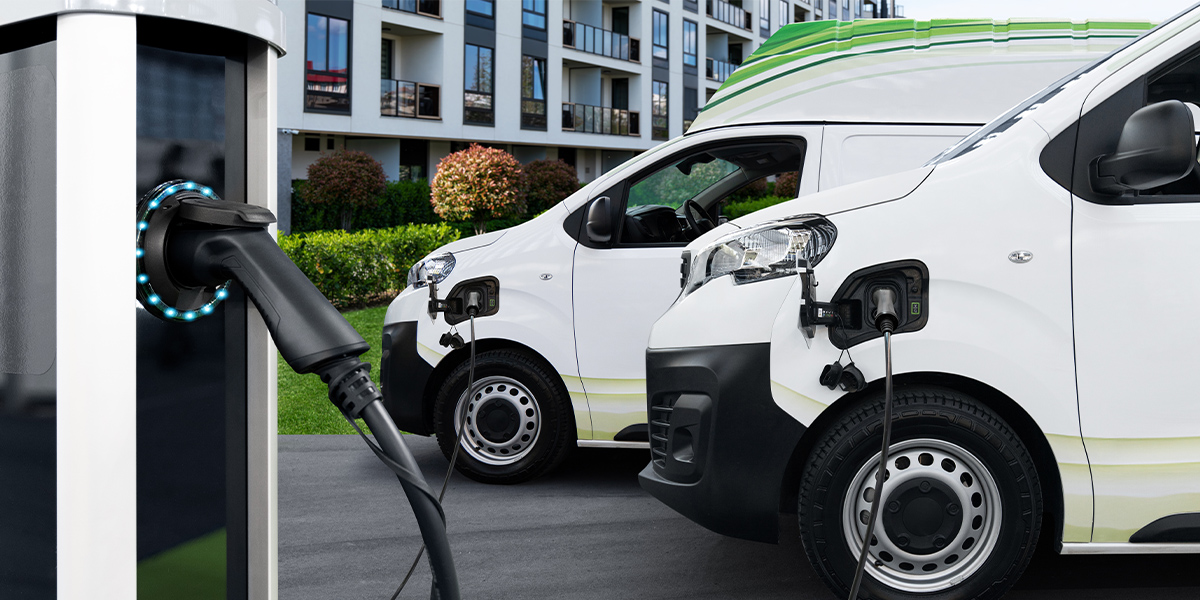
Electric vehicles (EV) are on the rise, which includes electric work trucks and vans. Some of the industry’s biggest commercial truck manufacturers, such as Freightliner and Volvo, are plowing along with plans to put their electric models in operation. While the electric commercial vehicle market is growing, and there are several benefits of electric vehicles, drivers and fleet managers have concerns.
We asked our social media followers what they thought the biggest issue with electric trucks is, and their most common response was the lack of infrastructure to support this advancement. To address this reasonable concern, Commercial Truck Trader is taking a look at the lack of infrastructure surrounding electric work trucks and the ongoing efforts to resolve it.
Infrastructure Needed to Electrify a Commercial Fleet
Companies around the country are electrifying their fleet by adding light-, medium-, and heavy-duty electric trucks to their operations. In the last year, major companies such as Amazon, Waste Management, DHL, and more have either made a commitment to fleet electrification or added electric trucks and vans to their fleets.
Commercial fleets that are thinking about using all-electric or plug-in hybrid vehicles will need access to charging stations. For many drivers or fleet managers, this starts with private, on-site charging stations, which most companies don’t have right now.
In order for commercial fleets to incorporate electric trucks into their regular operations, they’ll have to consider the following:
- Workload demand
- Duty cycle (the amount of time an electrical device spends active)
- Truck garage/storage location
- Electric vehicle models
- Access to off-site public charging stations
Fleet managers will have to work with city planners, the utility company, and EV charging installers to establish the best charging solutions for their specific fleet, based on these factors. The resources and assistance is there for fleets to adopt electric operations and establish the necessary charging infrastructure. For example, Pacific Gas and Electric created a helpful guidebook to fleet electrification and infrastructure.
Public EV Charging Stations for Electric Trucks
Charging electric work trucks and vans will require a large network of charging stations that commercial drivers and fleets can use. When asked about electric trucks, one of our social media followers inquired, “Do we have the infrastructure for all the charging stations?”
The Department of Energy provides quarterly reports that show the growth of public and private charging and assesses the current state of charging infrastructure in the U.S. Throughout 2021, EV charging experienced a growth in technology and infrastructure. While many of our social media comments raised concern over a lack of charging stations, there are more out there than you think.
The Department of Energy’s Alternative Fueling Station Locator shows the locations of public and private electric charging stations, of which there are nearly 50,000 in the U.S. And, as of 2021, more than 15% of public electric vehicle supply equipment (EVSE) ports in the U.S. were D.C. fast chargers. D.C. fast chargers provide approximately 100-200 miles of range per 30 minutes of charging, ideal for commercial trucks and vans.
There are plans to install more DC fast chargers. ChargePoint, the world’s largest EV charging network, announced a collaboration with NATSO, which represents America’s truck stops in travel plazas, to deploy EV charging at more than 4,000 travel plazas and fuel stops by 2030. In its first year, the partnership, known as the National Highway Charging Collaborative, funded more than 150 DC fast charging spots, with additional access to over 1,500 publicly available DC fast charging spots for consumers on ChargePoint’s existing network.
Electric Work Truck Use Off-Road
EV charging stations are a big concern for both local and OTR driving, but what about commercial vehicles that operate off-road? One of our social media respondents raised a valid concern, asking, “Where do you plug them [electric trucks] in on construction sites or off-road?”
Unfortunately, there isn’t always access to public charging stations and ports on desolate worksites. This is where grid-independent, ultra-fast charging stations would help. These types of charging stations use clean fuels to generate electricity on the spot, some producing up to 2,000 kW.
Companies, such as Electric Vehicle Energy Storage Company (EVESCO), have developed off-grid charging solutions that allow for flexible charging anywhere using solar and wind, hydrogen-powered fuel cells, or biofuel generators. Stations like this can cover the needs of a commercial fleet working off-road.
While utilizing electric semi-trucks, utility trucks, cargo vans, and more for commercial transportation seems like a simple, eco-friendly option, it’s not without its hurdles. When it comes to a lack of infrastructure for this advancement, there are both private and public solutions to keep business moving. As the EV market continues to grow in many industries, it’s only a matter of time before the infrastructure is there to fully support electrified commercial fleets.
To learn more about electric vehicles, visit our EV Resource Page. And, if you’re searching for a gas, diesel, or electric work truck or van, browse the nationwide inventory on CommercialTruckTrader.com.
Arielle Patterson
You might also like


