Common Truck Part Failures and What to Know Before You Replace Them

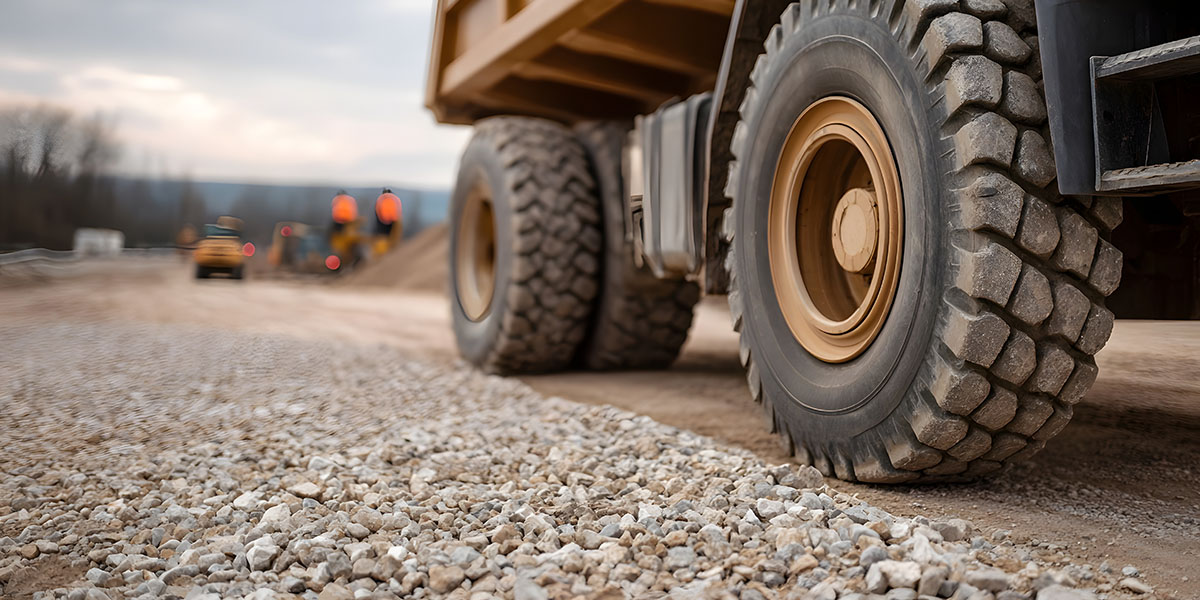
A hardworking truck earns its keep over a lot of miles, which means certain parts are going to wear out along the way. However, most of that wear follows a predictable pattern, so owners who know what to look for can plan ahead and budget for repairs instead of being caught off guard. Here are the parts that wear out most often, along with what to consider when it’s time to replace them.
Truck Brake Wear: What to Look For
Brakes work hard every single day on a heavy-duty truck, which means the friction material is always wearing away. Friction between the pads or shoes and the rotor or drum is what stops the truck, so when that material thins out, you’ll notice longer stopping distances, pulsation or shaking, and changes in handling under load.
On air brake systems, also check slack adjusters, drum condition, and air lines for leaks, since a small air loss can turn into a bigger problem quickly. When replacing, look at friction material and match it to how you work, because a truck running heavy loads in stop-and-go traffic has different needs than one logging steady highway miles.
When to Replace Truck Tires
Tire failure is a leading cause of highway breakdowns and accidents, so replacement should follow tread depth or time, whichever comes first. Federal rules set minimum tread depths, generally 4/32 of an inch on steer tires and 2/32 on others, however many fleets replace earlier than that to stay ahead of blowouts. Match the tire to the job, since regional haul, long haul, and on/off-road work each call for a different tread and construction. Check pressure often, look for uneven wear, and learn to spot the signs of wear and tear on your truck’s tires before small problems turn into expensive ones.
Signs of a Failing Truck Battery
Your batteries start the engine and run everything electrical, from the ECM to the lights to the electronics in the cab, so a weak one usually shows up as dim lights, slow cranking, or random electrical faults. Cold weather tends to expose it fast. Every battery wears out eventually, and heavy-duty trucks usually run more than one, which means a single weak battery can drag down the whole bank. Check the manufacturer’s recommended service life, and replace batteries in matched sets, with the right cold cranking amps for your engine.
Engine Parts That Wear Out Most
Engine problems have a lot of causes, but the simple maintenance items prevent a lot of them. Change the air filter on schedule so the engine breathes properly, keep oil fresh to protect against wear, and replace fuel filters so clean fuel reaches the injectors. Beyond that, common failures include overheating, turbocharger problems, and, on gas and light-duty diesel trucks, faulty spark plugs or glow plugs. When you replace engine parts, stay with components that match the original specifications. Mixing performance upgrades with stock parts can create new problems, however that changes if you’re committing to a broader engine build.
Worn Truck Suspension: Signs and Replacement
Suspension parts last longer than consumables, but they do fail, and they fail gradually, which makes the symptoms easy to ignore. A rough ride, chattering, or a truck that sits uneven usually means shocks or springs have worn out, since they’re in constant motion. Air ride systems add air bags and leveling valves to the list. In the front end, ball joints and kingpins are worth watching, since clunking or squeaking noises and loose steering are early signs of wear. Whatever you replace, make sure it’s rated for your truck’s weight and typical loads.
Worn Tie Rods and Steering Problems
Tie rods sit in the front end and connect your steering to the wheels, so a failure here can mean losing control of the truck. Vibration in the steering wheel or a vague, delayed steering response often points to worn tie rod ends. Have them inspected whenever you’re in for front-end work, and don’t put off a replacement once they show play.
These type of repair costs have a way of stacking up on an older truck, and at some point it makes sense to compare that to the price of a newer one. If you’re at that point, compare listings for new and used truck tractors for sale online, or other truck categories if your work calls for something different.
Exhaust and DPF Problems on Diesel Trucks
Exhaust components sit under the truck and take the weather, which makes them prone to rust and corrosion. Leaks raise noise and emissions and cut into engine performance. Some issues can be repaired, however severe corrosion usually means replacing the affected section. On modern diesels, the diesel particulate filter (DPF) is a common problem area. Trucks are designed to burn off excess soot, but the filter can eventually clog, which means it needs cleaning or replacement. If your truck has a DEF system, keep an eye on that too, since faults there can trigger derates.
Knowing what typically fails, and when to replace it, keeps a truck running for the long haul.
Keona Frasier
You might also like


