Trucking 101: Intro to Electronic Logging Devices

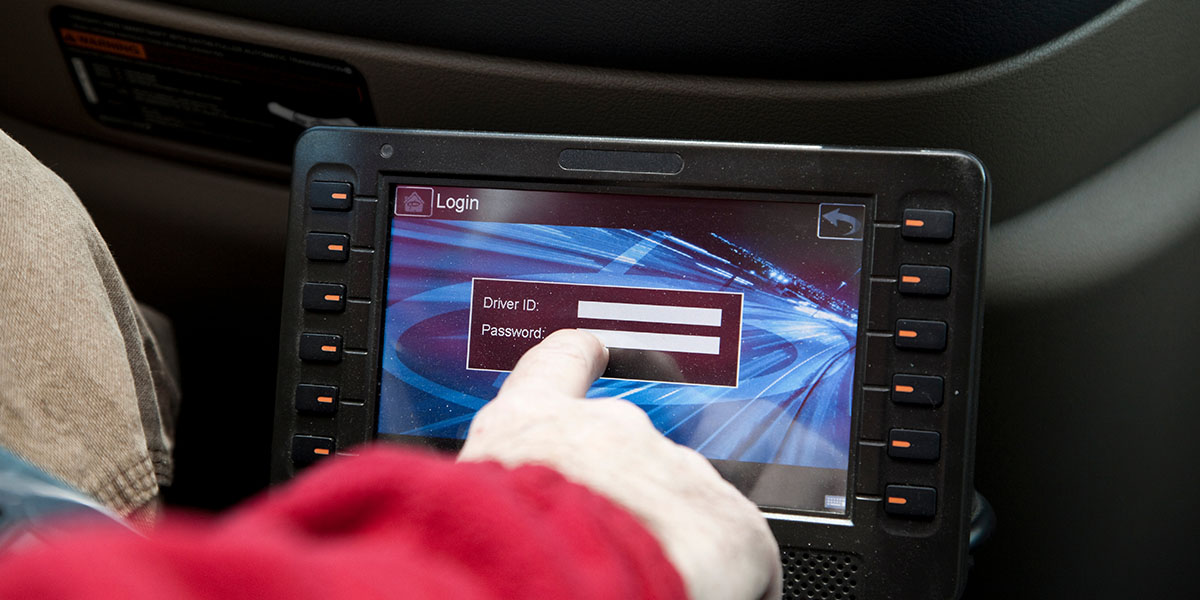
An electronic logging device (ELD) is a piece of hardware that connects to a commercial vehicle’s engine to automatically track driving time and Hours of Service (HOS). For the record, driving time is the actual time behind the wheel when a vehicle is in motion. Hours of Service not only takes into account the hours of driving time, but also the rest periods in between.
For new long-haulers or those who have been in the industry and need a refresher, we’re providing a basic outline of what ELDs are, why they are important, and what exactly they track.
History of ELDs
ELDs and their predecessors have been around since the 1980s. Automated recording systems and electronic onboard recorders (EOBRs) set the early precedent as alternatives to keeping paper logs.
While the European Union mandated electronic recording tools in 2006, the wheels didn’t begin to turn for another six years in the U.S. In 2012, Congress passed the Moving Ahead for Progress in the 21st Century Act (MAP-21), which initiated an official push for mandating electronic logging on all commercial vehicles. Three years later, the Federal Motor Carrier Safety Administration (FMCSA) published their final FMCSA ELD Rule that:
- Requires commercial drivers and motor carriers who previously used paper logs to adopt certified and registered electronic logging devices.
- Establishes technical specification and minimum performance standards that device manufacturers must meet and register with the FMCSA.
- Prohibits motor carriers from harassing drivers using data derived from ELDs and establishes recourse procedures for drivers who experience harassment.
- Sets updated rules for retaining supporting documents such as fuel receipts and shipping papers to improve compliance while reducing overall paperwork.
A compliance window of two years was established, where a voluntary transition and awareness phase allowed carriers to adopt the devices before they became officially required. On December 18, 2017, that deadline arrived, requiring most commercial drivers to use certified ELDs, with a grandfathered clause for automatic onboard recording devices that were already being used. On December 19, 2019, full compliance enforcement was initiated across the entire U.S. commercial trucking industry.
Driving Rules
The Federal Hours of Service regulation was established for three major reasons. First, to lower the risk of crashes, injuries, and deaths caused by drivers who were exhausted from too many hours on the road. Second, to protect workers from employers who forced drivers to work extreme, unsafe hours. Third, to create fair and predictable standards across the commercial transport market.
For property-carrying drivers, the core rules include:
- An 11-hour maximum behind-the-wheel driving limit per shift after taking 10 consecutive hours of time off duty.
- A 14-hour on-duty limit following 10 consecutive hours off duty. This includes any non-driving time and breaks. So, as an example, if you stop for more than three hours during your 11-hour behind-the-wheel time, you must stop at the 14-hour mark, even if you have driven less than 11 hours.
- A minimum break of 30 minutes after eight cumulative hours of driving without a stop.
- A weekly limit of 60 hours of on-time duty in seven consecutive days or 70 hours of on-duty time in eight consecutive days.
- A 34-hour restart, which means drivers can reset their weekly clock by taking 34 or more consecutive hours of time off duty.
For passenger-carrying drivers, the rules are slightly different:
- A 10-hour maximum behind-the-wheel driving limit per shift after taking eight consecutive hours of time off duty.
- A 15-hour on-duty limit following eight consecutive hours off.
- A weekly limit of 70 hours of on-time duty in eight consecutive days.
Why ELDs are Important
Some might think that electronic logging devices are a bit of an invasion of privacy, but in reality, they help to protect drivers and other motorists on the road. They also help drivers accurately log data that can easily be shared with road officers during inspections, and they minimize the amount of paperwork that drivers and fleet managers need to do.
Just remember that if you’re an independent owner/operator or a fleet manager, ELDs must be FMCSA-certified and registered and that devices must remain certified. FMCSA removes non-compliant hardware from its registry periodically, so be sure to keep tabs on what is approved and what may have dropped off the list.
Finally, motor carriers must keep driver supporting documents and records for at least six months. Since ELD data can easily be stored, you won’t need to take up a lot of space in a filing cabinet to stay in compliance, and you’ll be able to share past records if needed.
Barrett Baker
You might also like


