Used Truck Inspection Checklist: What Mechanics Look For

When shopping for used trucks, buyers and sellers both want a good deal. If it’s not possible to have a certified inspector look at the truck you’re thinking of purchasing before you buy it, there are lots of telltale signs you should be able to identify on your own that can help determine if you’re getting a valuable deal for your money. This way, you won’t run into expensive maintenance issues further down the road.
Commercial vehicle inspectors and mechanics shared what they look at when assessing the quality of work trucks. When you’re shopping for a used truck, add these to your own inspection checklist to understand what the vehicle is worth.
Frame and Undercarriage
We heard from several mechanics that getting down on the ground to inspect the undercarriage of the truck and pulling dipsticks will reveal many potential issues you might encounter when purchasing a pre-owned truck. For the frame and undercarriage, look for rust that flakes off in chunks versus just a light surface rust. Deep rust should be considered a major dealbreaker, even if other components look good on the vehicle.
Look for uneven welds and painted-over patches that may be an indication that the frame has been repaired after a past collision. Also, be sure to inspect the hitch receiver, trailer wiring, and rear suspension. Any signs of sagging or strain may indicate that there has been previous tow damage.
Under the Hood and Fluids
Pull every dipstick you can. For the engine oil, check for a honey-colored fluid that is free from contaminants. Any metallic flakes or a milky, foaming texture can mean internal damage or a blown head gasket. For the transmission, check if the fluid is pink or cherry red; a burnt odor can indicate mechanical issues. The engine coolant should be bright green or pink and not rusty, brown, or oily. Brake fluid should be clean and translucent and look clear with a light yellow, amber, or golden-brown tint. If the fluid appears to be dark brown, black, or cloudy, then it’s heavily contaminated with debris or moisture and will require a brake flush and refill.
Except for engine oil that indicates internal damage, all the other fluids can be easily flushed and refilled without the risk of other internal damage. Just remember to consider the price of what those fluid and filter changes will cost so you can bring that number into negotiations when talking about the final sale price.
While you’re looking under the hood, take a look at the belts and hoses. Make a note if you see any leakage and inspect all of the belts and hoses you have access to so you can determine if they are flexible and free from cracks and dry rot.
Body and Exterior
Be sure to bring a small magnetic inspection tool with you when checking the exterior for damage. Place the magnet in various spots along the lower edge of the doors and rocker panels. If there’s an area where the magnet doesn’t stick, that can indicate that a body filler (such as Bondo) has been used to repair a rusted area on the vehicle.
During your inspection, check for uneven or wavy gaps between doors, fenders, and the cab, which could suggest that the truck has prior accident damage. Additionally, be sure to inspect the bed floor and wheel wells for heavy wear or rust under loose bedliners.
Tires and Suspension
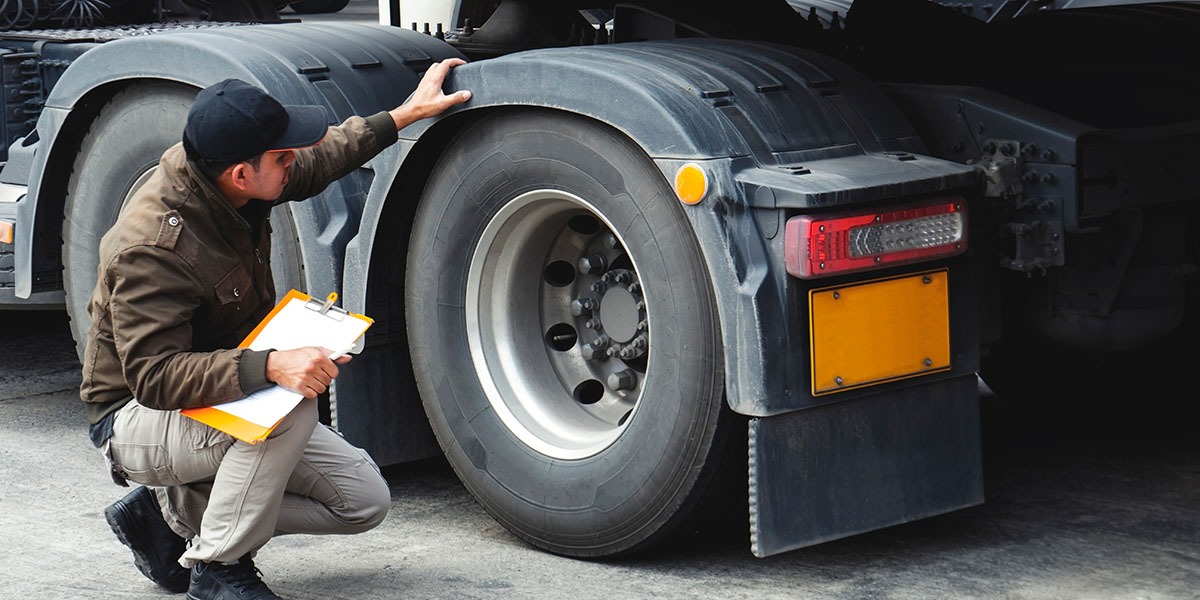
Check all the tires for uneven wear or cupping, which could indicate a bad alignment or failing suspension components. Check the wheel rims for bent or cracked alloy wheel faces, which may be a cause of severe highway vibrations. This might be due to an imbalance of loads or improper inflation of the tires, or it could be a sign that the tires are deformed or out-of-round. This can cause structural defects, separated internal belts within the tire, or may be a result of a tire that’s incorrectly seated on the rim.
Take a Test Drive
Upon startup of the vehicle, verify that all the warning lights illuminate and switch off after a few seconds. If you can get your hands on an on-board diagnostic (OBD) scanner that you can plug into the truck’s computer port, you can see if it is displaying any error codes and monitor live sensor data for a diagnostic. You’ll also be able to ascertain if any readiness monitors were recently cleared.
During the test drive, listen and feel for clunking, slipping, or delayed engagement when shifting between reverse and drive, which could be an indication of transmission wear or failure. When you’re in the driver’s seat, see how the vehicle responds to your controls and ask questions about the truck’s maintenance history before you buy.
Barrett Baker
You might also like


